Digital land in the metaverse is transforming how we think about ownership and economic potential in virtual spaces. As NFTs redefine trade dynamics and blockchain technology secures assets, this concept acts as a gateway to innovative environments and entrepreneurial opportunities. Through detailed insights into NFT marketplaces, blockchain’s protective role, and the evolving landscape of interoperable virtual worlds, this exploration reveals the transformative economic and creative potential of digital real estate.
Digital Real Estate: The Backbone of the Metaverse Economy
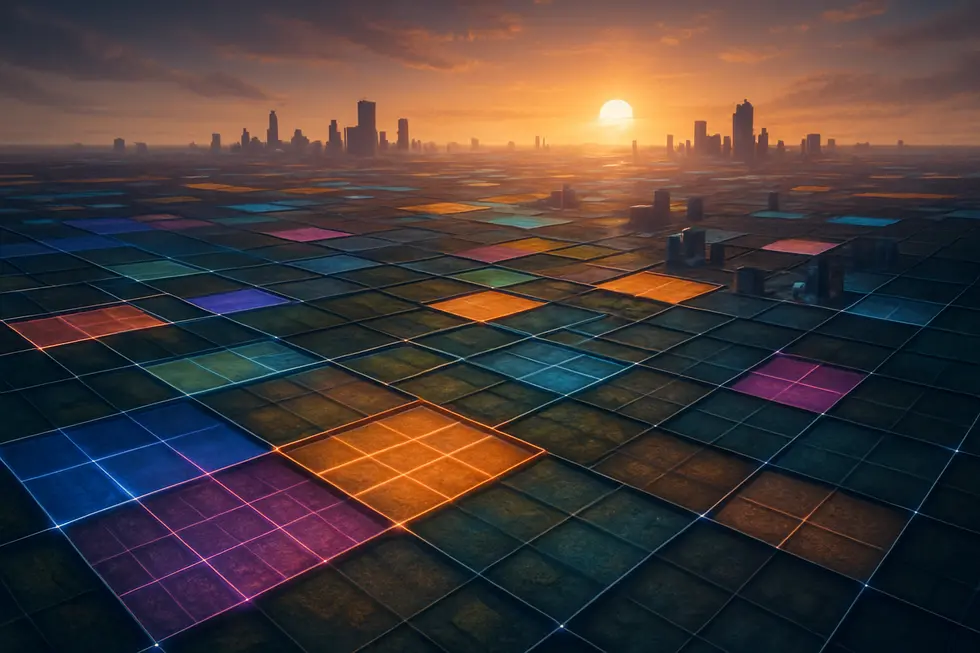
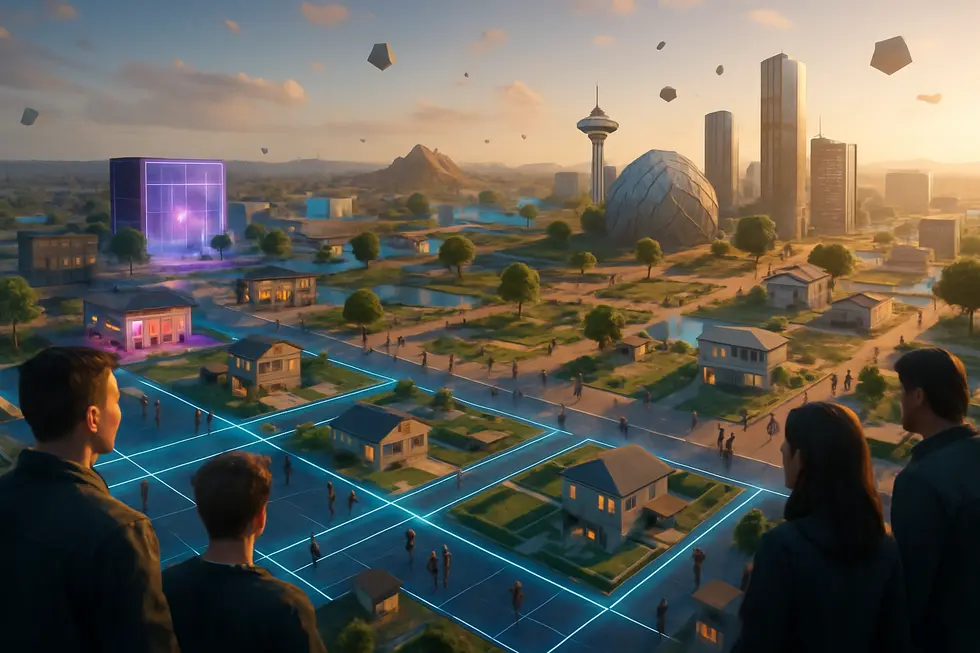
Digital land in the metaverse symbolizes more than just ownership of virtual spaces; it is a transformative asset that redefines how we interact with and monetize digital environments. Represented as non-fungible tokens (NFTs) on blockchain networks, these parcels offer verifiable and secure ownership. Unlike traditional virtual domains, digital land provides tangible ownership, allowing users to build, trade, and monetize assets such as interactive environments and virtual businesses. The rise of platforms like Decentraland highlights how users can nurture economic opportunities through event hosting and even advertising on their virtual land. The concept of digital land fosters a decentralized economy where revenue generation isn’t confined to traditional methods. With growing interoperability, these virtual estates enable asset transfers between different metaverse ecosystems, enhancing the utility and value of digital property, as highlighted by Future Market Insights on Virtual Land NFT Market. This burgeoning sector is set to play a crucial role in shaping future digital societies.
Navigating the Evolving Dynamics of NFT Marketplaces and Digital Real Estate in the Metaverse
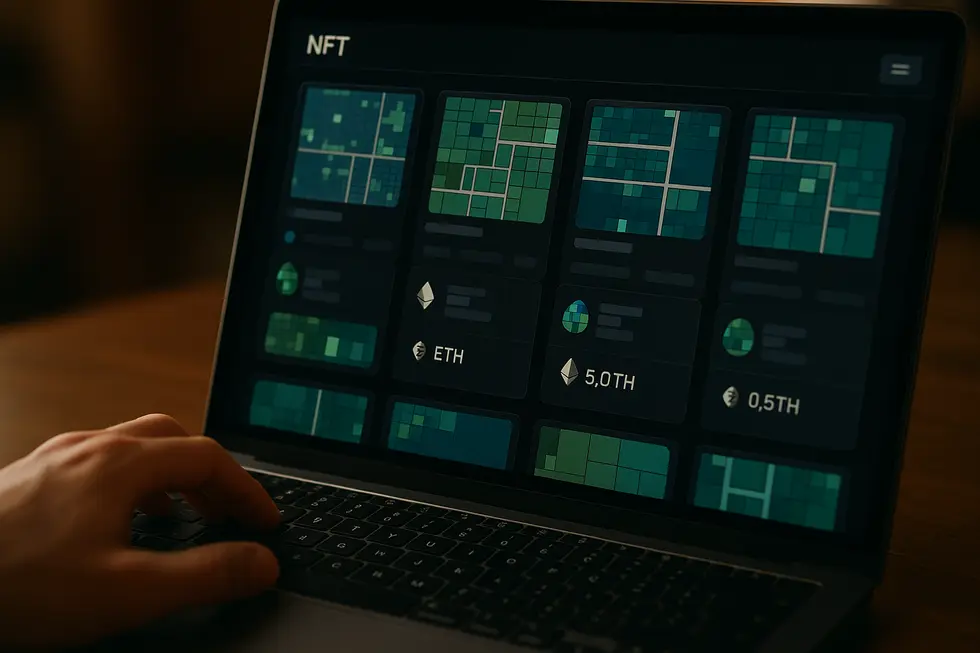
The landscape of digital land ownership and NFTs in the metaverse is set to transform dramatically between 2025 and 2035. With the global NFT market poised to leap from $36.9 billion to an astonishing $532 billion during this period, the potential for economic growth is extraordinary. Dynamic NFTs (dNFTs) will be integral, anticipated to expand significantly due to their applications in gaming and virtual environments. Gaming NFTs, which already hold a 25% share of the market, are closely followed by the burgeoning category of virtual land NFTs. This category will escalate as metaverse platforms like Decentraland and The Sandbox shape opportunities for commerce, entertainment, and social interaction.
Amid this expansion, interoperability remains a key challenge. As seamless integration across platforms is harder to achieve, innovative solutions will emerge to foster interactions across the digital ecosystem. Technological advancements in Web3 will be crucial, underpinning these dynamics and enhancing the value of NFTs across digital societies. For a more in-depth view of how brands can navigate this evolving space, you can explore more through how brands enter NFT game.
Blockchain: The Backbone of Digital Property in the Metaverse
Blockchain technology underpins digital land ownership in the metaverse by ensuring security and transparency through its decentralized, tamper-proof nature. Each land transaction is recorded on a cryptographically secured ledger, providing a clear, verifiable history that eliminates the risk of fraud and loss. This robust system allows seamless buying, selling, and trading of virtual properties, similar to traditional real estate markets but with enhanced efficiency and trust.
Smart contracts further enrich the ecosystem by automating transactions, reducing the need for intermediaries, and expediting processes. Tokenization of digital land opens investment access to broader audiences, democratizing real estate by allowing fractional ownership. Innovations from platforms like Landbitt highlight this transformation, integrating AI and VR to create a sophisticated, transparent marketplace. As digital land continues to evolve, blockchain remains a critical foundation for its future growth. For more insights, visit Landbitt’s groundbreaking initiative.
Decentraland: A Frontier in Virtual Real Estate Innovation
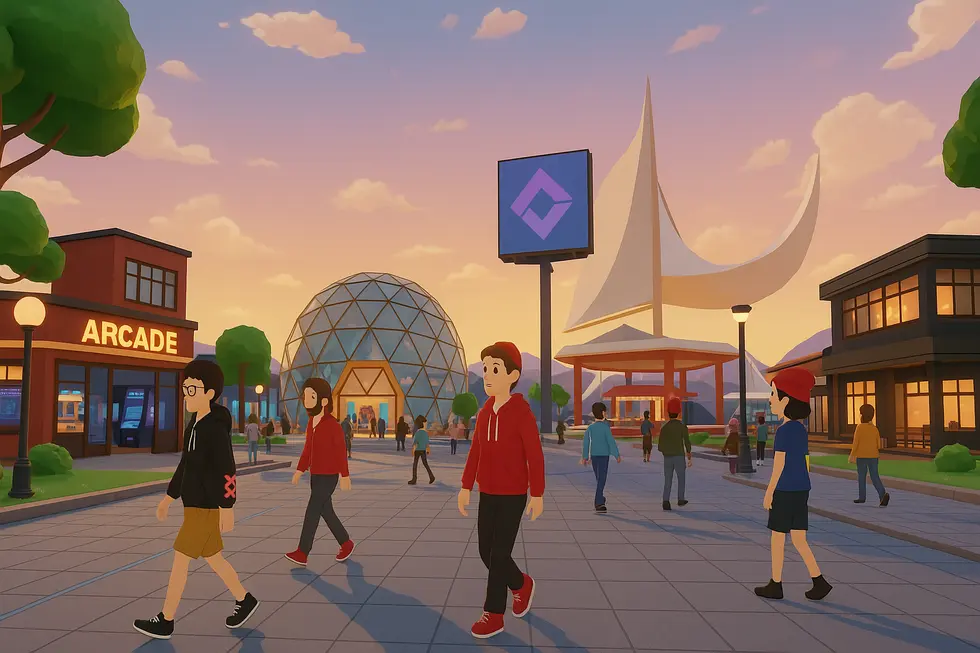
Decentraland is at the forefront of transforming digital land into a realm of opportunity and innovation. This platform empowers users to buy, develop, and monetize digital land, represented as NFTs, creating bustling environments from art galleries to virtual parties. By owning a piece of Decentraland, individuals not only engage in speculative real estate but also partake in shaping dynamic digital societies. The platform’s governance model enables landowners to influence protocol changes, emphasizing community-driven evolution. Unlike traditional asset markets, Decentraland has sparked interest from both individual investors and brands exploring this digital frontier. Importantly, the evolution of platforms like Decentraland has encouraged more rigorous structural evaluations, such as interoperability, to sustain this virtual ecosystem’s growth. Despite challenges, Decentraland’s initiative highlights a pivotal shift in how digital real estate can provide utility, entertainment, and lucrative prospects, marking its influence on future virtual environments. Learn more
Building Bridges: Connecting Virtual Worlds through Interoperability

Interoperability is revolutionizing the concept of digital land by allowing seamless transfer of virtual assets across different metaverse platforms. This connectivity is akin to breaking down barriers between fragmented virtual worlds, much like bridging separate continents on Earth. Currently, digital real estate faces constraints due to platform fragmentation, hindering the potential of a unified market. However, by adopting interoperable blockchain standards, this limitation is being overcome. NFT-based land becomes portable across ecosystems, fostering a truly decentralized digital economy. With this advancement, users gain unprecedented freedom—enabling their assets to retain value and ownership rights as they transition between platforms.
Moreover, interoperability unlocks greater economic opportunities, as digital landowners can diversify investments across various metaverses, similar to expanding a real estate portfolio. For more on the economic implications of NFTs and digital ownership, visit here. As these standards mature, the vision of a connected digital society becomes increasingly tangible.
Harnessing the Economic Power of Digital Land in the Metaverse

Investing in digital land within the metaverse represents a groundbreaking opportunity with significant economic potential. The metaverse, projected to achieve a $5 trillion market value by 2030, offers a vast landscape for virtual real estate investment. On platforms like Decentraland and The Sandbox, users can purchase virtual plots, transforming them into art galleries, retail spaces, or social hubs for monetization. With low entry barriers, digital land is accessible to numerous investors, requiring much less capital compared to physical real estate.
Enterprises are increasingly investing in NFTs and metaverse infrastructure, enhancing business models by embracing this new asset class. However, the sector is still evolving, with market volatility warranting cautious investment strategies. Education and diversification remain key for investors to navigate this dynamic environment successfully. As digital societies grow, the demand for premium digital assets will likely surge, rewarding early strategic investors.
For further insights, explore investment strategies for digital real estate.
Final thoughts
Digital land ownership in the metaverse is a transformative journey, where NFT marketplaces and blockchain innovations pave the way for economic growth, creative development, and cross-platform interactions. As digital societies and ecosystems evolve, virtual real estate will play a crucial role in redefining ownership, participation, and economic potential in the digital age.
About us
Monbase Global is a strategic partner of OpenLive Group, focused on expanding the reach and utility of blockchain and digital asset applications across international markets. As a core collaborator in the Monbase NFT ecosystem, Monbase Global plays a vital role in driving cross-border partnerships, investment strategies, and user adoption beyond Vietnam. With a vision to build a decentralized digital economy rooted in trust and innovation, Monbase Global supports the international growth of NFTs, digital collectibles, and the use of the MBC token across various platforms. The partnership between Monbase Global and OpenLive Group brings together local insight and global ambition—creating real-world value for creators, collectors, and businesses alike.
🌐 Join the Monbase NFT community and stay ahead of the Web3 curve.
💬 Follow us on Telegram, Twitter, or Discord for drops and updates!
Facebook | X (formerly Twitter) | Telegram announcement | Telegram community