
As the metaverse evolves, governments worldwide are engaging in policy discussions to navigate this emerging digital frontier. Their focus is primarily on AI and its industrial applications, public-private partnerships, and infrastructure. This article explores how government priorities are shifting from digital ownership concerns towards leveraging AI technologies, the implications of CES 2026 on NFT marketplaces, and how companies like Meta adjust their strategies in relation to governmental roles. Each chapter delves into different facets of these interactions, providing a comprehensive understanding of the complex dynamics at play.
AI-Driven Innovations: Governments Steering the Metaverse

In the complex interplay of technology and governance, the shift towards AI-focused applications marks a pivotal moment in how governments navigate the metaverse. Major tech players like Meta are recalibrating their strategies from expansive virtual worlds to AI wearables, driving a new wave of consumer innovation. This move is mirrored in the industrial sector, where governments engage with AI-driven technologies. Siemens’ launch of Digital Twin Composer software demonstrates this, as it enables large-scale industrial simulations in partnership with tech giants. Meanwhile, privacy and regulatory frameworks remain a priority as jurisdictions like Canada shape AI policies. These proactive measures underscore the transition towards an AI-centric metaverse, fostering a landscape that prioritizes practicality and security over digital ownership models.
The Industrial Metaverse: Governments Paving New Paths

Governments are increasingly recognizing the potential of the industrial metaverse as a space for responsible innovation and economic growth. Central to this vision are digital twins and AI-driven simulations. Siemens’ collaboration with PepsiCo exemplifies this, as their Digital Twin Composer software, integrated with NVIDIA Omniverse, enhances manufacturing efficiency by simulating factories. Such advancements help reduce costs, boosting production by 20% and cutting capital expenditure before physical implementations.
Countries like China are setting the pace, integrating industrial metaverse technologies within their economic fabric, supported by robust policies on 5G, AI, and cloud computing. However, challenges persist, such as ensuring ethical governance and aligning industrial strategies with sustainable goals, underscoring the need for dynamic oversight in a rapidly evolving landscape.
Siemens brings the Industrial Metaverse to life with Digital Twin Composer
Building a Collaborative Framework for Metaverse Regulation

Public-private partnerships (PPPs) are becoming crucial in shaping metaverse governance by merging public regulation with private sector innovation. This collaborative approach aims to mitigate ethical risks, promote interoperability, and ensure societal benefits. Unlike purely corporate-driven models, these partnerships involve various stakeholders, including governments, industry, and civil society, to foster responsible innovation and human-centered design. In ethical governance, PPPs enable responsible innovation through policies that demand transparency and promote participatory stakeholder involvement. For instance, Rotterdam’s Citiverse demonstrates the effectiveness of PPPs, introducing a governance board that includes municipalities, private partners, and academia to ensure transparency and fair competition Read more about Rotterdam’s Citiverse. These initiatives highlight the potential of PPPs in crafting a balanced and inclusive metaverse landscape.
Embracing AI Technologies: A New Era for Government Policies

In 2026, government policies pivot from digital ownership regulations toward AI technology acceleration. Federal initiatives under the Trump administration prioritize AI innovation, national competitiveness, and ROI over state-level AI control. An AI Action Plan and executive orders promote practical AI deployment, retracting previous risk management guidance. Federal strategies include AI hardware export rules, focusing on advanced chips to China, a 25% import tariff, and acts like GAIN AI aimed at securing U.S. AI leadership, reflecting a pro-innovation stance. Meanwhile, diverse state-level AI laws persist, from New York’s safety focus to California’s transparency rules, symbolizing a varied legal terrain. Agencies integrate AI for mission impact, stressing data security, ROI, and international partnerships. Source
Navigating Virtual Frontiers: Policy Discourse at CES 2026
At CES 2026, the realm of governmental attention largely pivoted towards AI, privacy, and trade, leaving NFT marketplaces and digital ownership uncharted. Sessions like the Innovation Policy Summit drew key figures such as FCC Chair Brendan Carr and senators Ben Ray Luján, Gary C. Peters, and Jacky Rosen, focusing on strengthening AI regulation and fostering innovation without the red tape typical of EU-style policies. This forum underscored the urgency for supportive regulations that balance innovation and market-driven consumer protections, steering clear of digital assets or blockchain topics. While no direct implications for NFTs were highlighted, the regulatory ambiance of promoting global interoperability indirectly aids digital platforms, potentially easing technological growth across borders. For more details, refer to Innovation without Borders.
Meta’s Bold Shift: From Metaverse Dreams to AI Wearable Ambitions
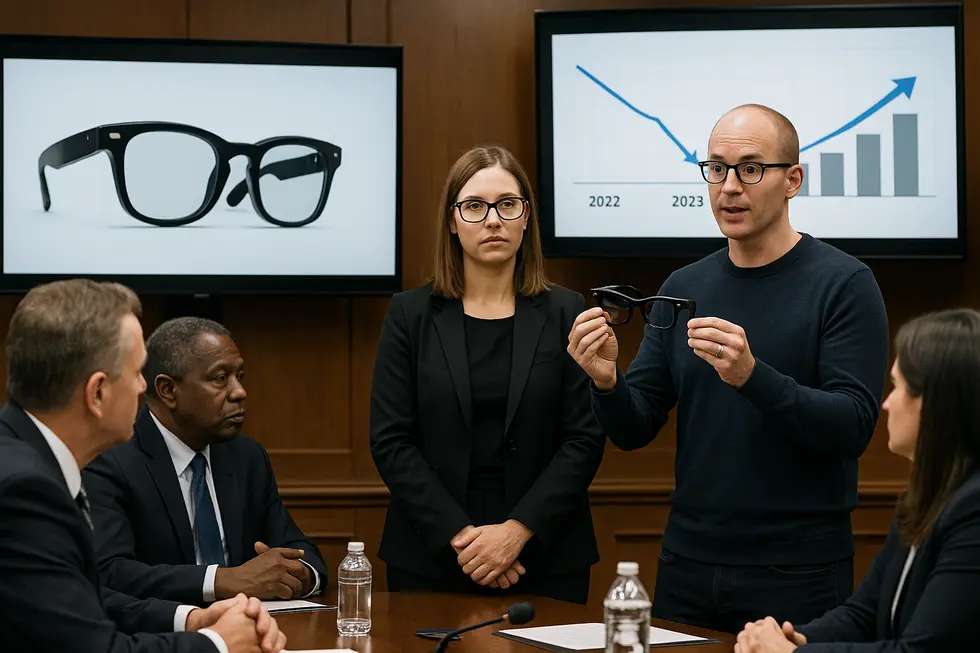
In 2026, Meta pivoted its focus from building expansive digital worlds to developing AI-powered wearables, marking a significant strategic shift. Notably, this led to layoffs in the Reality Labs division. The focus has switched to practical AI products, with smart glasses like Ray-Ban Meta glasses showcasing success through impressive sales figures, exceeding two million units.
Competition from Apple and collaboration efforts between Google and Samsung to create an open AI glasses ecosystem influenced this move. Meta’s refocused vision aligns with industry trends favoring AI-enhanced devices. This strategy leverages Meta’s strengths in AI and computer vision, positioning it as a leader in developing consumer-ready hardware solutions. For further insights, see the Economic Times Article.
Navigating the Intersection of Government and Digital Ownership Frontiers

Governments globally are at a crossroads as they grapple with regulatory uncertainty surrounding digital ownership. Existing legal frameworks are not equipped to manage the complexities of tokenized assets and smart contracts. This gap creates significant challenges, complicating efforts for fintechs to ensure compliance. Mainstream adoption remains elusive, with public skepticism further hindering widespread digital ownership implementations pursued by banks since 2025.
Amid these limitations, governments start crafting pathways towards clearer regulations. The GENIUS Act clarifies digital currency legality, removing investment barriers. Meanwhile, state-level initiatives, like Utah’s Digital Choice Act, empower users over their data. Moving forward, enhanced regulatory clarity is expected to bolster public trust, expand tokenization to diverse asset classes, and redefine ownership models. Governments will likely emphasize balancing innovation with consumer protection. For more insights, refer to the BuiltIn Article.
In conclusion, as governments delve into the metaverse, their emphasis on AI and infrastructure rather than NFT marketplaces reflects a strategic choice towards innovation and industrial applications. While technology companies pivot, governmental engagements focus on ensuring coherent policy frameworks that foster public-private partnerships and safeguard competitiveness. The dynamic landscape of the metaverse offers both challenges and opportunities for policymakers poised at this digital frontier.
About us
Monbase Global is a strategic partner of OpenLive Group, focused on expanding the reach and utility of blockchain and digital asset applications across international markets. As a core collaborator in the Monbase NFT ecosystem, Monbase Global plays a vital role in driving cross-border partnerships, investment strategies, and user adoption beyond Vietnam. With a vision to build a decentralized digital economy rooted in trust and innovation, Monbase Global supports the international growth of NFTs, digital collectibles, and the use of the MBC token across various platforms. The partnership between Monbase Global and OpenLive Group brings together local insight and global ambition—creating real-world value for creators, collectors, and businesses alike.