
The internet as we know it is dominated by centralized entities that control digital assets and data. However, blockchain technology offers a promising alternative by promoting decentralized ownership and control, particularly through innovations like NFT marketplaces and DAOs. These mechanisms empower users with secure, transparent, and tamper-proof digital ownership, challenging traditional internet structures. This article delves into how blockchain, through these innovations, can potentially save the internet from its prevailing issues.
Empowering the Internet: The Role of NFTs in Decentralized Ownership
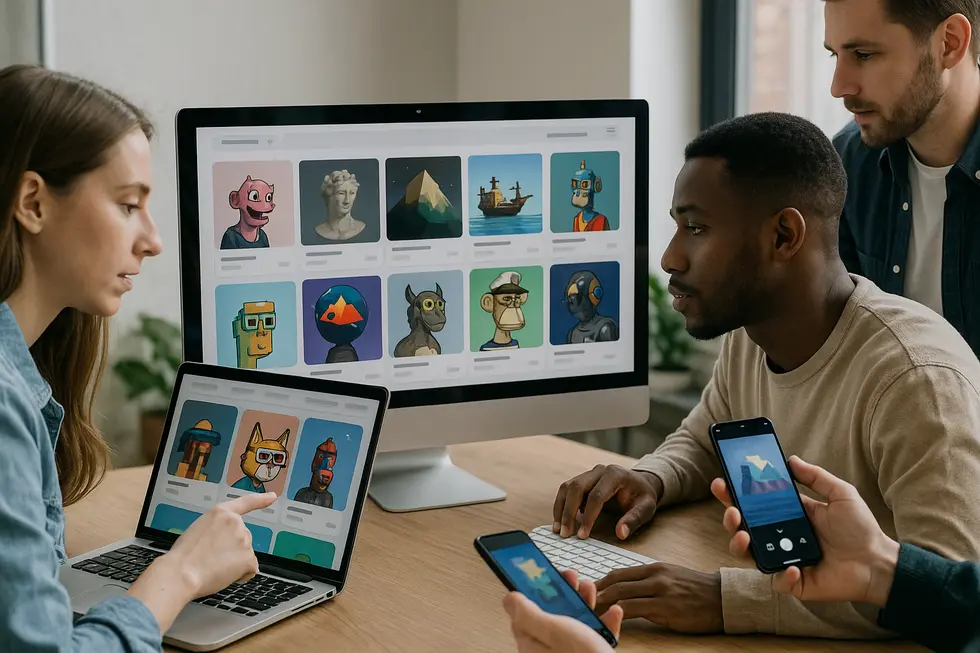
NFTs (Non-Fungible Tokens) offer a revolutionary shift toward decentralized ownership on the internet by affording individuals verifiable digital certificates, free from centralized control. These blockchain-based tokens ensure transparent and secure processing, cutting out middlemen and delivering control back to the creators and users. NFTs allow artists and developers to monetize their creations autonomously through smart contracts, which can automatically apply royalties on resale, forging a more equitable digital ecosystem.
Moreover, NFTs open the door to fractional ownership, enabling groups of people to hold stakes in high-value assets, democratizing decision-making over these digital properties. Beyond art, this extends to virtual real estate and various digital goods, laying the groundwork for new economic models that foster community engagement.
By promoting transparency and integrity, NFTs challenge traditional monopolies and censorship, heralding a peer-driven internet that reflects the ambitions and needs of its users. For a deeper understanding, explore NFTs as decentralized ownership tools.
Empowering Digital Communities: The Promise of DAO Governance

Decentralized Autonomous Organizations (DAOs) are pioneering a new era in internet governance by democratizing decision-making processes, now traditionally governed by centralized entities. By operating on blockchain technology, DAOs eliminate the need for hierarchical leadership, enabling communities to collaboratively manage digital platforms and resources. This decentralization promotes transparency, trust, and security, key components in reducing centralized control and censorship.
Yet, DAO governance is not without its challenges. Issues such as voting power imbalances and low community engagement can hinder its effectiveness. To combat these, integrating AI-assisted frameworks like the Question–Option–Criteria model enhances decision-making quality and fairness, striving for a more inclusive governance model. This approach, embedding principles of deliberative democracy, propels the vision of a resilient internet infrastructure where collective stewardship thrives. Such transformation could indeed help save the internet from its current, flawed state.
For further details, you can read the full text here.
Building Trust: Security and Transparency in NFT Marketplaces

NFT marketplaces are pioneering new standards for security and transparency, crucial for protecting the internet’s integrity. These platforms employ robust KYC and AML protocols, significantly reducing the issues of fraud and money laundering. By mandating identity verification, they ensure that only verified users can engage in transactions, building a more secure environment.
Technological measures such as smart contract audits further bolster security. These audits identify potential vulnerabilities, preventing exploitation and ensuring NFT projects remain trustworthy. Moreover, integrating security APIs that scan contracts and metadata for fraud enhances overall marketplace integrity. Beyond technological safeguards, user education on wallet protection, like using hardware wallets or limiting unnecessary smart contract approvals, is vital in preventing unauthorized access.
This multi-faceted approach, combining compliance and technological innovation, helps NFT marketplaces foster a trustworthy online ecosystem. For more insights, explore wallet security tips for NFT holders.
Decentralizing the Gatekeepers: How Blockchain Fosters an Open Internet

Blockchain technology serves as a bastion against centralized control and censorship, embedding decentralization into the very fabric of the internet. By distributing control across multiple nodes, no single party can dictate or obscure information, thus elevating the internet’s promise of transparency and trust. With immutability, data once recorded on the blockchain cannot be altered, providing a censorship-resistant repository of information.
Through consensus mechanisms, blockchain ensures collective agreement on data integrity, enabling communities to detect and avert manipulation. This transparency means any censorship attempt leaves a detectable trace, fortifying user confidence. Platforms like Solana further demonstrate how combining privacy and blockchain can enhance user protections against surveillance and control (Finance Magnates).
While challenges remain, blockchain’s decentralized architecture is integral to preserving an open, transparent internet free from the shackles of centralized gatekeepers.
Navigating Blockchain’s Challenges: Paving the Way for a Decentralized Internet

Blockchain’s potential to revolutionize the internet faces notable hurdles such as scalability, energy consumption, regulatory uncertainty, and interoperability. Scalability issues stem from the limited transaction processing capability of current blockchain networks, which impacts both performance and user satisfaction. The excessive energy consumption in proof-of-work models, like Bitcoin, draws criticism for environmental harm, demanding exploration of energy-efficient alternatives. Regulatory variances further complicate global adoption, as diverse legal landscapes cause uncertainty Starleaf’s blog on blockchain impact and challenges. Moreover, seamless integration with existing systems is hampered by interoperability challenges that fragment the digital environment.
Emerging solutions promise to tackle these challenges. Modular blockchain designs separate key functions to boost scalability and incorporate AI, while cross-chain protocols allow different blockchains to interact fluidly. Collaborative regulatory efforts aim to establish clearer compliance frameworks, fostering confidence and responsible blockchain utilization. By overcoming these obstacles, blockchain can strengthen its role as a transformative technology, potentially leading the internet towards a more decentralized, secure future.
Global Cooperation: Paving the Way for a Decentralized Internet

The internet’s essence of open communication is jeopardized by centralized power and fragmented regulations. Legal frameworks, alongside interoperability, play crucial roles in reshaping this landscape. By establishing clear rules and protections, these frameworks ensure accountability and user rights across jurisdictions. Europe leads with comprehensive regulations like GDPR, offering significant penalties for violations. Private International Law also aids in harmonizing digital operations across borders by clarifying legal accountability. Meanwhile, interoperability allows diverse systems to connect seamlessly, amplifying blockchain’s potential to decentralize control. Without interoperability, the decentralized dream stalls at technological and regulatory hurdles. Together, these elements foster an internet that aligns with its foundational ideals of transparency and user empowerment. Yet, this vision requires a unified global effort to overcome technological evolutions outpacing legal developments, preventing the internet’s further erosion by centralized entities.
Blockchain technology presents a compelling opportunity to redefine the internet by empowering users with true digital ownership, transparency, and secure governance. However, to realize this potential, challenges such as scalability, regulatory acceptance, and interoperability need to be addressed. As advancements continue, blockchain’s success in reshaping the internet will depend on its ability to integrate with existing structures while maintaining its core principles.
About us
Monbase Global is a strategic partner of OpenLive Group, focused on expanding the reach and utility of blockchain and digital asset applications across international markets. As a core collaborator in the Monbase NFT ecosystem, Monbase Global plays a vital role in driving cross-border partnerships, investment strategies, and user adoption beyond Vietnam.
With a vision to build a decentralized digital economy rooted in trust and innovation, Monbase Global supports the international growth of NFTs, digital collectibles, and the use of the MBC token across various platforms. The partnership between Monbase Global and OpenLive Group brings together local insight and global ambition—creating real-world value for creators, collectors, and businesses alike.