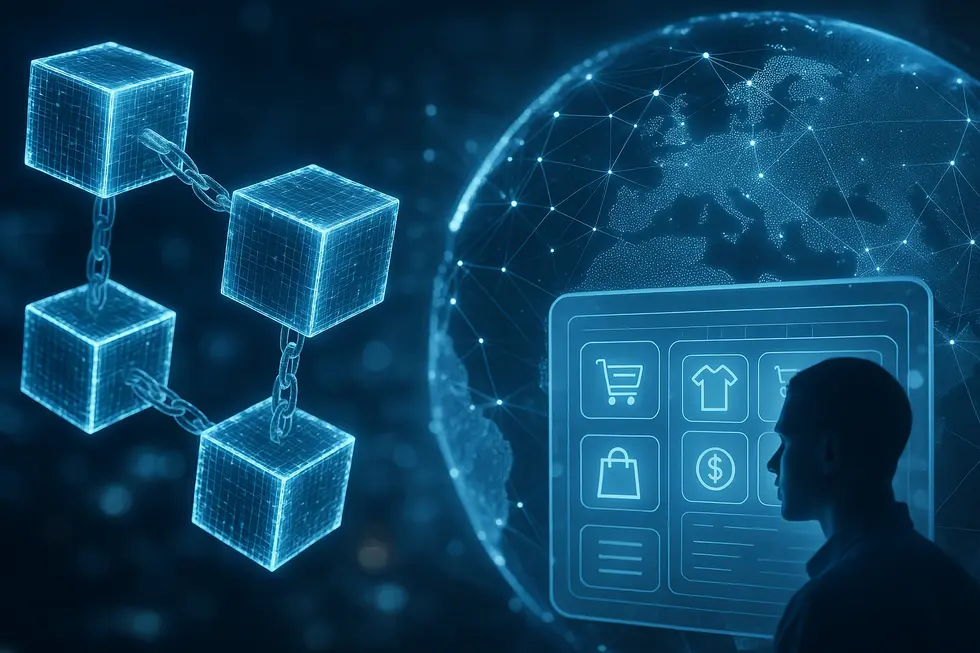
Enter a new era where the power over personal data is being wrested from the grips of Big Tech. Thanks to groundbreaking technologies like blockchain, decentralized cloud storage, and NFT marketplaces, we’re navigating towards a landscape where individuals—rather than conglomerates—gain mastery over their digital footprint. This empowerment is not just theoretical but a shifting reality, particularly for tech-savvy millennials, curious Web3 beginners, and digital pioneers. Delve into how decentralized solutions are reshaping data control and ownership, heralding a future where transparency, security, and privacy are paramount.
Decentralized Cloud Storage: Building a User-Owned Data Ecosystem

Decentralized cloud storage revolutionizes data ownership by decentralizing control across numerous independent nodes, eschewing reliance on central giants. This approach bolsters security and resilience, empowering users with autonomy over data access and integrity. Distributed file systems and blockchain consensus mechanisms underpin this shift, ensuring immutability and transparency.
Platforms like Titan Storage Service use blockchain to deliver secure, cost-efficient storage. They employ features like split-key encryption and deployment of idle global resources to lower costs, enhancing both data integrity and sovereignty. Decentralized storage integrates with edge computing, facilitating faster data processing near users, boosting efficiency and latency.
This paradigm meets modern demands for governance and transparency amid geopolitical uncertainties. Enterprises pursuing agility adopt partially decentralized models blending traditional control with decentralized advantages, highlighting a future that favors user-centric infrastructures. Access a comprehensive source here.
Blockchain and Smart Contracts: Redefining Asset Ownership and Control

Blockchain and smart contracts are catalyzing a transformation in digital ownership by securely automating asset management without intermediaries. The blockchain’s decentralized ledger ensures records are tamper-proof and transparent, fostering trust and security. By eliminating central gatekeepers, the verification is distributed across multiple independent computers, drastically reducing fraud risks.
Furthermore, smart contracts play a pivotal role by automating contract execution when predefined conditions are met. This efficiency removes the need for lawyers or escrow services, streamlining processes and reducing costs. Tokenization of real-world assets, such as real estate or art, allows for fractional ownership, enhancing market accessibility and liquidity. Industries from gaming to finance leverage these tools for innovative ownership paradigms, such as NFTs in digital art or secure voting systems.
Platforms like Smartest Investors in NFT Market continue to evolve, showcasing new possibilities in asset management and ownership through blockchain technologies.
Decentralized Identities: A New Era of User Empowerment and Privacy

Decentralized identity systems mark a revolutionary change in managing digital identities. Unlike conventional models where centralized entities hold sway over personal data, decentralized systems put the control back into the hands of individuals. Users transform from passive data providers to active managers, aligning with the principles of self-sovereign identity (SSI). At the heart of these systems are Decentralized Identifiers (DIDs) and Verifiable Credentials (VCs). DIDs provide persistent, user-controlled identifiers while VCs offer cryptographically secure, issuer-backed attestations. These innovations combine to ensure that identity verification is both reliable and tamper-proof. Providing users with autonomy over their data enhances privacy and mitigates the risks of breaches. While adoption faces challenges such as complexity and regulatory hurdles, the socio-technical architecture promises a future where privacy, trust, and user empowerment are the cornerstones of the digital landscape source.
Empowering Digital Ownership: The Impact of NFT Marketplaces
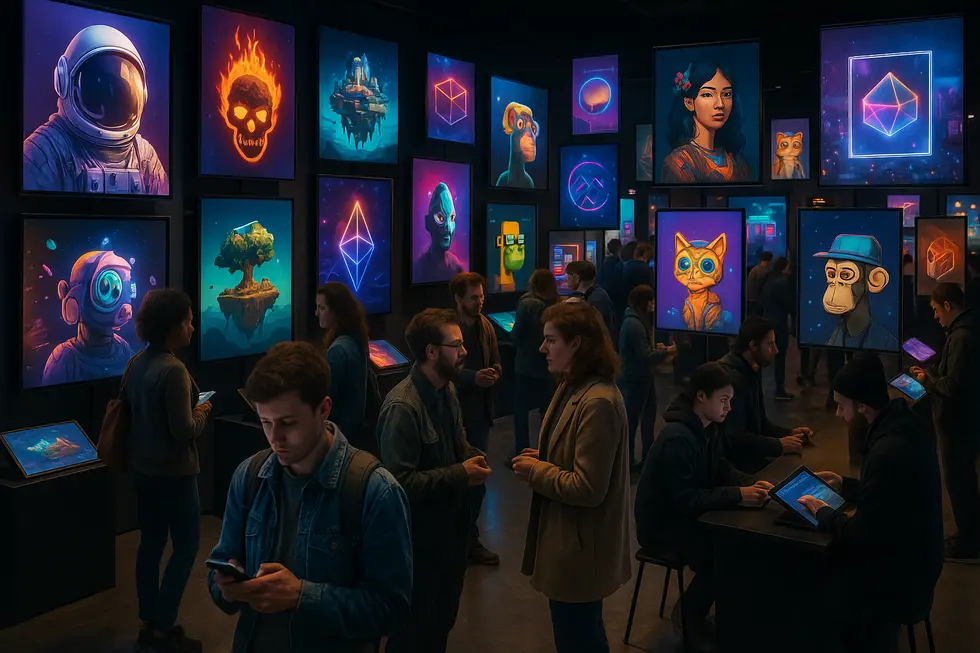
NFT marketplaces are transforming digital ownership by providing a platform where individuals can securely trade unique digital assets. Employing blockchain technology, these marketplaces ensure that ownership records are transparent and tamper-proof, shifting control away from centralized entities. This transformation allows creators and collectors to own, transfer, and monetize digital items, including art, music, and virtual assets, without intermediaries dictating the terms.
Platforms such as OpenSea and Rarible have popularized this decentralized model, simplifying user participation through interfaces that manage complex blockchain transactions. Beyond simple trading, these marketplaces redefine data control by embedding smart contracts, allowing creators to automate royalty payments with every resale. This enhances sustainable revenue models and promotes an ecosystem of innovation and transparency.
The trend extends beyond digital art, tokenizing real-world assets, thereby facilitating fractional ownership and streamlined transfers. As NFT marketplaces evolve, they stand at the forefront of a new digital economy. Learn More
Empowering Individuals Through Privacy and Sovereignty in Data Ownership

Navigating privacy and sovereignty in the era of decentralized data ownership emphasizes the critical balance between personal data control and broader data governance. Privacy allows individuals selective sharing of information, granting them autonomy over what to disclose and with whom, under specified terms. Meanwhile, sovereignty addresses who owns the data, ensuring security and legal compliance across borders. This dual approach demands a nuanced understanding of collective data ownership and the complex web of international regulations. Technologies like encryption and AI-driven data classification must intertwine with governance to maintain this delicate balance.
Self-Sovereign Identity (SSI) frameworks are emerging as a solution, giving users control over their digital identities, reducing dependency on centralized systems, and enhancing autonomy. This trend aligns with enterprises seeking digital sovereignty to protect intellectual property. As we tread this evolving landscape, integrating advanced technology for compliance and control is imperative, empowering both individuals and organizations with true data ownership and security.
As we delve into this era of data empowerment, the horizon is clear: decentralized technologies are redistributing control from Big Tech back to individuals. While challenges remain in protecting privacy and ensuring compliance across borders, the momentum towards user-centric data landscapes continues to build. By understanding and embracing these technologies, we stand on the threshold of a digital age that promises transparency, security, and independence from traditional corporate constraints.
About us
Monbase Global is a strategic partner of OpenLive Group, focused on expanding the reach and utility of blockchain and digital asset applications across international markets. As a core collaborator in the Monbase NFT ecosystem, Monbase Global plays a vital role in driving cross-border partnerships, investment strategies, and user adoption beyond Vietnam. With a vision to build a decentralized digital economy rooted in trust and innovation, Monbase Global supports the international growth of NFTs, digital collectibles, and the use of the MBC token across various platforms. The partnership between Monbase Global and OpenLive Group brings together local insight and global ambition—creating real-world value for creators, collectors, and businesses alike.
🌐 Join the Monbase NFT community and stay ahead of the Web3 curve.
💬 Follow us on Telegram, Twitter, or Discord for drops and updates!
Facebook | X (formerly Twitter) | Telegram announcement | Telegram community