As we stand on the brink of a new digital age, NFT marketplaces are rapidly transforming the landscape of digital ownership, offering new models for what it means to own and control digital assets. This evolution is redefining our relationship with the digital world, where NFT marketplaces act as the fulcrum of this shift. Decentralized identities are enabling an unprecedented paradigm of authenticity and autonomy, while Web3 ecosystems are paving the way for innovative economic and governance structures. This article will delve into the technical underpinnings of blockchain and NFTs, which form the backbone of digital ownership, and highlight the importance of interoperable and verifiable ownership in achieving true digital sovereignty.
NFT Marketplaces: Pioneers of Decentralized Digital Citizenship
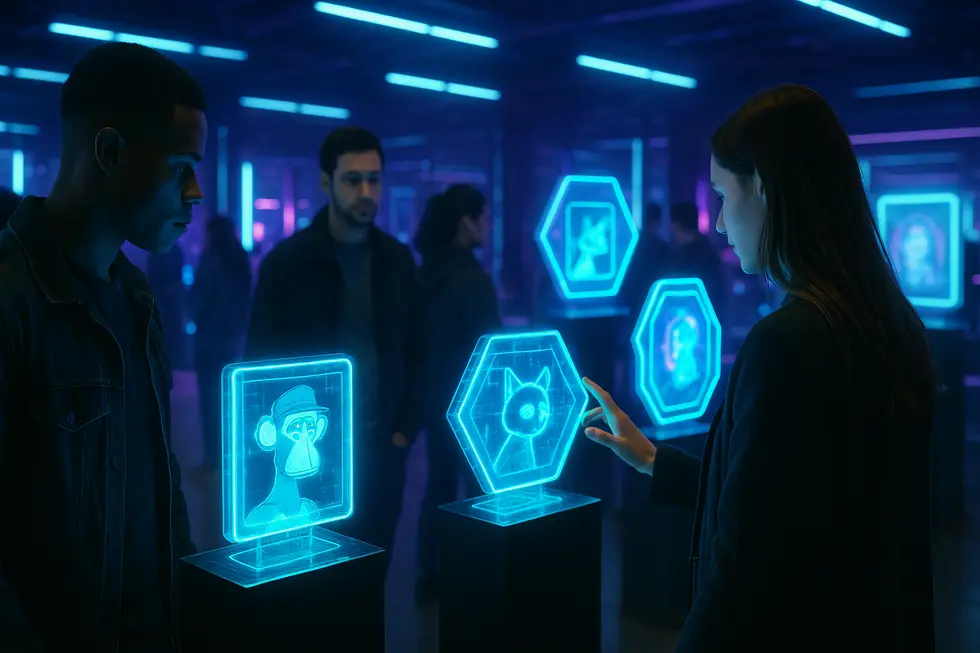
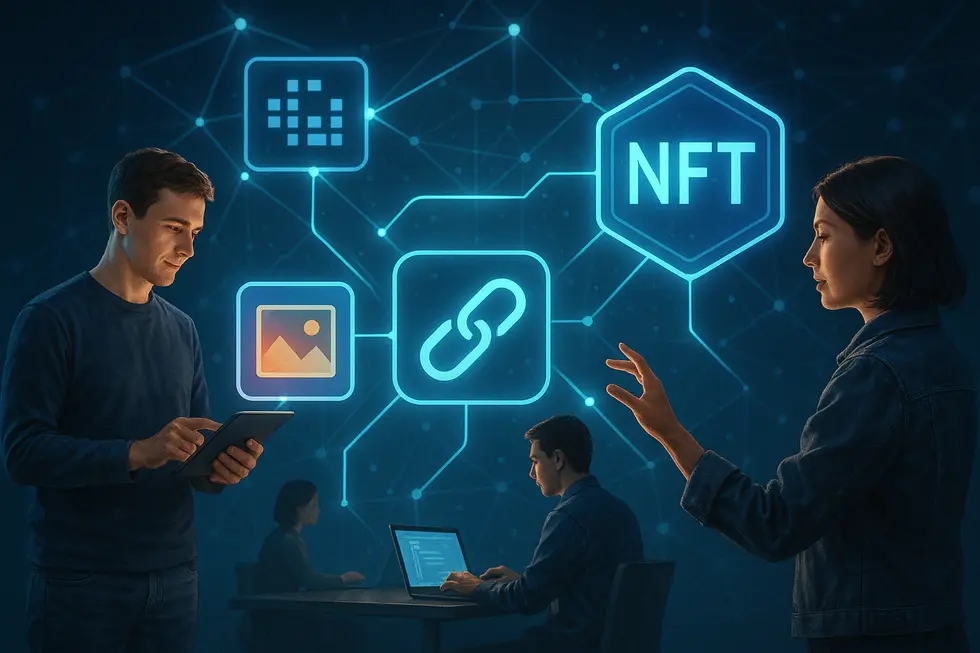
NFT marketplaces revolutionize digital citizenship by empowering users with decentralized ownership and governance. This shift transforms traditional roles, allowing users to become active stakeholders rather than passive consumers in Web3 ecosystems. With the elimination of intermediaries, NFTs enable direct creator-consumer interactions, enhancing creative autonomy and programmable provenance via blockchain. On platforms like DAOs and federated marketplaces, individuals participate in on-chain governance, thereby shaping economic and social systems.
The emergence of on-chain identities and community-driven engagement is crucial. NFTs function as status symbols, providing not only exclusive access but also a new dimension of identity in digital realms. African Web3 initiatives illustrate how these marketplaces integrate with DeFi and social media to empower creators and communities as co-creators.
However, challenges persist, calling for standardized licenses and participatory design to manage sustainability and consumer protection. Discover more about digital ownership in our detailed analysis here.
The Pillars of Self-Sovereign Digital Identity
Decentralized Identities (DIDs) forge a new frontier in digital ownership, granting individuals control over their unique identifiers and verifiable credentials on blockchain, untethered from traditional authorities. This Self-Sovereign Identity (SSI) framework employs cryptographic methods, enabling privacy and selective disclosure. Key components include DID Documents, which house public keys and authentication methods for verification. Decentralized Identity Systems, like Ethereum’s or Hyperledger, facilitate these innovations. Here, blockchain plays the role of a trust layer where verifiable credentials assure privacy-conscious transactions, reducing data breach risks. They empower users with portability across various platforms, fostering a paradigm where identity itself becomes a valuable and movable asset. The prospect of a Universal Digital Identity hints at seamless global verification. Despite challenges in scalability, the transformative impact on digital citizenship is profound, eradicating reliance on centralized identity verification. More on Ethereum-based DIDs.
Web3 Ecosystems: Revolutionizing Digital Citizenship Through Decentralized Economies
Web3 ecosystems are pioneering a transformative shift in the digital landscape by emphasizing decentralization and user autonomy. These systems operate on blockchain technology, facilitating trustless transactions and authentic digital asset ownership. Through components like smart contracts and decentralized applications (dApps), platforms such as Ethereum enable immutable automation of business processes, enhancing transparency and accountability source. Governance within these ecosystems is community-driven, achieved through Decentralized Autonomous Organizations (DAOs) that empower users via token-based voting rather than corporate control.
Security is fortified by innovations like GoPlus Security, which integrates risk detection across multiple blockchains, ensuring the integrity of economic infrastructures (source). Despite challenges like supply chain vulnerabilities, these Web3 paradigms are reshaping economies by supporting privacy-preserving authentication systems, enabling digital citizens to exercise genuine ownership and self-sovereign identities. For more insights on the evolution of digital ownership, visit this guide on integrating NFTs into product marketing.
NFTs and Blockchain: Crafting a New Era of Digital Ownership
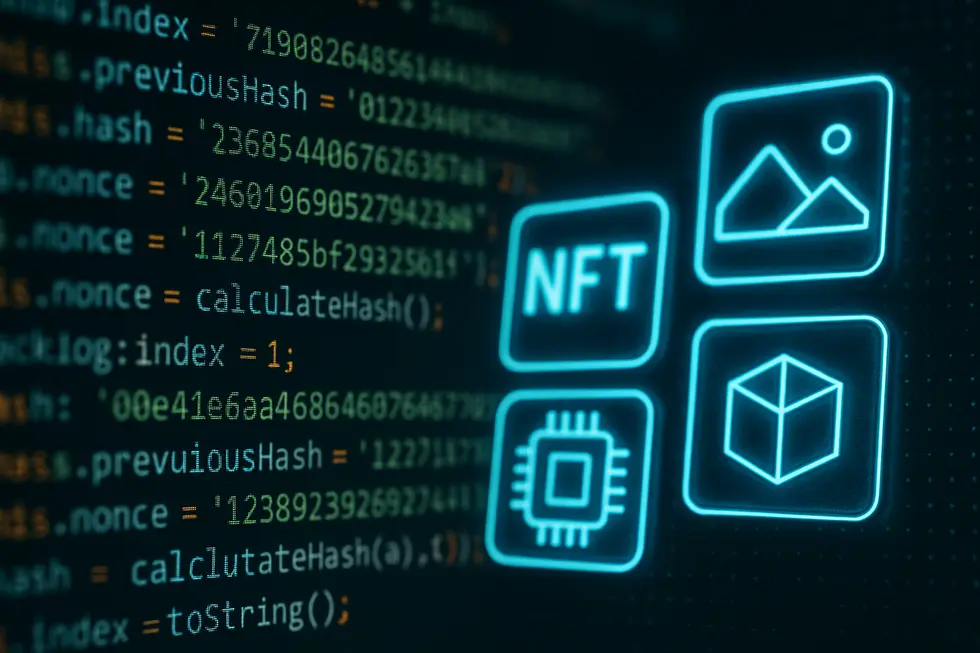
Blockchain offers a robust framework for non-fungible tokens (NFTs), which symbolize unique digital ownership. By employing immutable, decentralized ledgers, blockchain assures verifiable proof of ownership for digital assets. NFTs, unlike interchangeable cryptocurrencies, are distinctly identified, representing one-of-a-kind digital items via cryptographic protocols.Source This architecture fosters decentralized asset control without intermediaries.
NFTs use standards like ERC-721, embedding asset details and authenticity in smart contracts. They automate transfers and mitigate counterfeiting, creating digital certificates akin to tamper-proof records. These capabilities extend ownership from gaming and art to potentially real estate, offering real-world rights on the blockchain. Ownership transformations occur through wallet actions, where private keys dictate asset access, though NFTs don’t inherently grant all proprietary rights.
This technical evolution underpins the core principles of digital citizenship by providing authenticity, autonomy, and seamless ownership across the digital landscape.
Empowering Digital Sovereignty Through Interoperable Ownership
Interoperable and verifiable ownership is at the heart of achieving true digital sovereignty, allowing individuals to control their digital assets and identities across platforms and jurisdictions. By utilizing technologies like decentralized identifiers (DIDs) and verifiable credentials, users can ensure their digital property is not confined to a single provider or system. This setup resolves the issue of fragmentation, where assets are trapped in platform silos. Cryptographic proofs and tamper-evident ledgers further enhance ownership integrity, allowing owners to authenticate and transfer rights independently. These advancements pave the way for privacy-preserving verification, using selective disclosure to protect personal data. As mentioned in NFT marketplaces supporting digital ownership, this approach unlocks new economic models, enhances user autonomy, and supports a cohesive digital economy. Despite interoperability challenges, the potential for greater liquidity and user control makes this a pivotal step in the coming age of digital citizenship.
Final thoughts
As we advance into an age defined by digital citizenship, NFT marketplaces and digital ownership play pivotal roles in shaping a more autonomous and authentic online world. With decentralized identities and interoperable systems, individuals can exert unparalleled control over their digital presence. This transition promises not only new economic structures but also a shift in governance, driven by blockchain’s technical prowess and the boundless potential of Web3 ecosystems. Embrace this evolving landscape, where digital sovereignty is no longer a distant vision but an emerging reality.
About us
Monbase Global is a strategic partner of OpenLive Group, focused on expanding the reach and utility of blockchain and digital asset applications across international markets. As a core collaborator in the Monbase NFT ecosystem, Monbase Global plays a vital role in driving cross-border partnerships, investment strategies, and user adoption beyond Vietnam. With a vision to build a decentralized digital economy rooted in trust and innovation, Monbase Global supports the international growth of NFTs, digital collectibles, and the use of the MBC token across various platforms. The partnership between Monbase Global and OpenLive Group brings together local insight and global ambition—creating real-world value for creators, collectors, and businesses alike.
 Hãy tham gia cộng đồng NFT của Monbase và luôn dẫn đầu xu hướng Web3.
 Hãy theo dõi chúng tôi trên Telegram, Twitter hoặc Discord để nhận thông tin về các sản phẩm mới và cập nhật!
Facebook | X (trước đây là Twitter) | Thông báo trên Telegram | Cộng đồng Telegram