The world of NFTs is bustling with innovation, and at its core lies a secret language understood by seasoned collectors and traders. As you navigate the intricate frameworks of NFT marketplaces, terms like ERC-721, crypto wallets, and the metaverse shape your experience of digital ownership. Each chapter unravels the layers of this lexicon, equipping you with insights into key concepts that make up the foundation of NFT collecting. Dive in and decode the hidden dialect that governs this digital frontier.
The Backbone of NFTs: How ERC-721 Initiates Market Dynamics
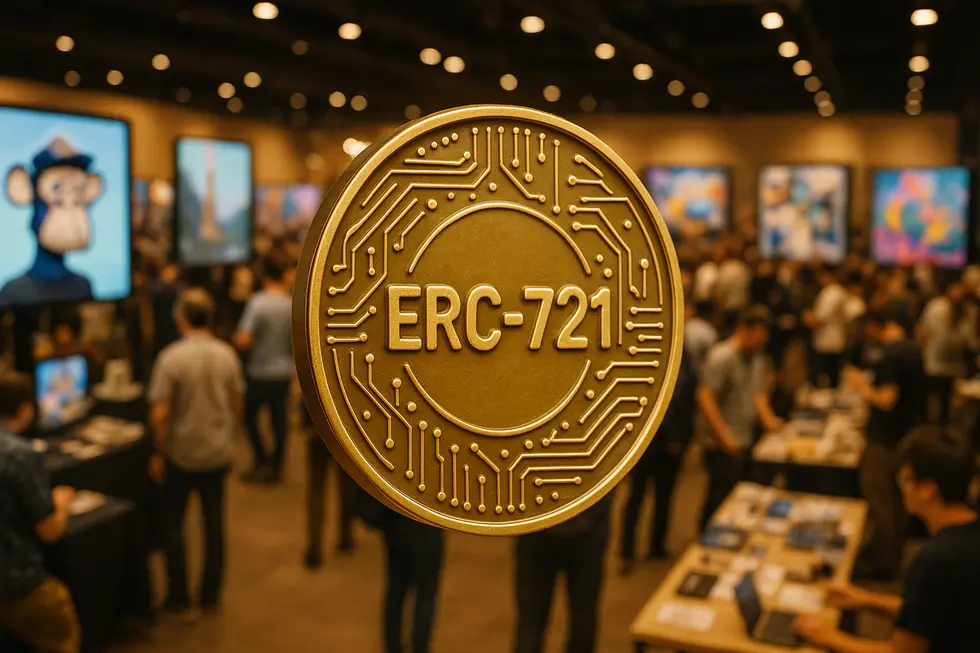
ERC-721 is the cornerstone upon which NFT marketplaces thrive, bridging unique digital asset ownership and seamless marketplace interaction. Its defining feature is the unique identifier or tokenId, facilitating precise asset identification and ownership. This essential standard deploys functions like ownerOf and transferFrom, empowering owners to responsibly manage NFT transactions.
Metadata plays a pivotal role, acting as a detail-rich descriptor housed typically in a tokenURI. Thanks to standardized protocols, metadata helps maintain continuity across different marketplaces, enabling the consistent display of NFTs. Integrating ERC-721 with marketplaces involves smart contracts that allow transactions on behalf of users via approvals like approve and setApprovalForAll, ensuring compatibility across various platforms.
Despite its efficiencies, ERC-721’s single-token transfer model can be costly, fostering alternatives like ERC-1155 for bulk transfers. As marketplaces evolve, understanding ERC-721’s foundational elements becomes crucial for ensuring secure, efficient, and interoperable platforms.
Mastering Digital Ownership: Crypto Wallets and NFTs
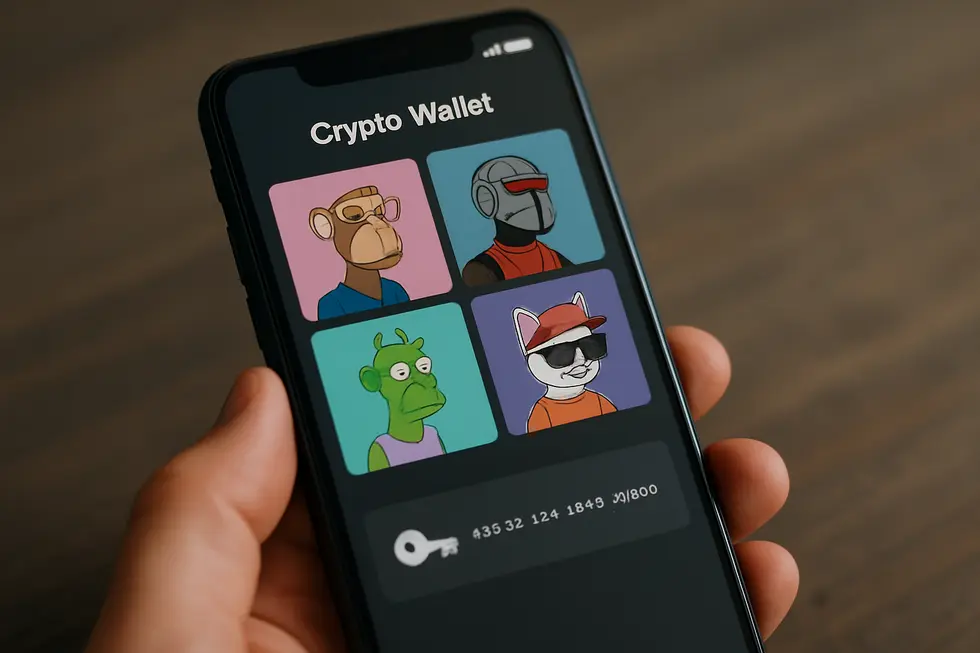
Crypto wallets are the essential gatekeepers in the realm of NFT ownership, providing the secure harbor for unique digital assets like artwork or music. A digital key to the NFT kingdom, each wallet stores tokens on blockchains like Ethereum. Here, ownership is more than possession; it’s proof encoded in cryptographic identity, complete with a token ID and owner’s address. Buying an NFT on platforms such as OpenSea seamlessly transfers assets to wallets, securing individual ownership. Custodial wallets assume management for the user, whereas non-custodial wallets prioritize direct control. Each type requires precision compatibility with the token’s blockchain to avoid access loss. Practical Steps for NFT Ownership include choosing the right wallet and knowing its ecosystem for effortless trades in marketplaces, ensuring your digital assets remain securely in your hands.
The Metaverse: A Transformational Space for NFT Collection
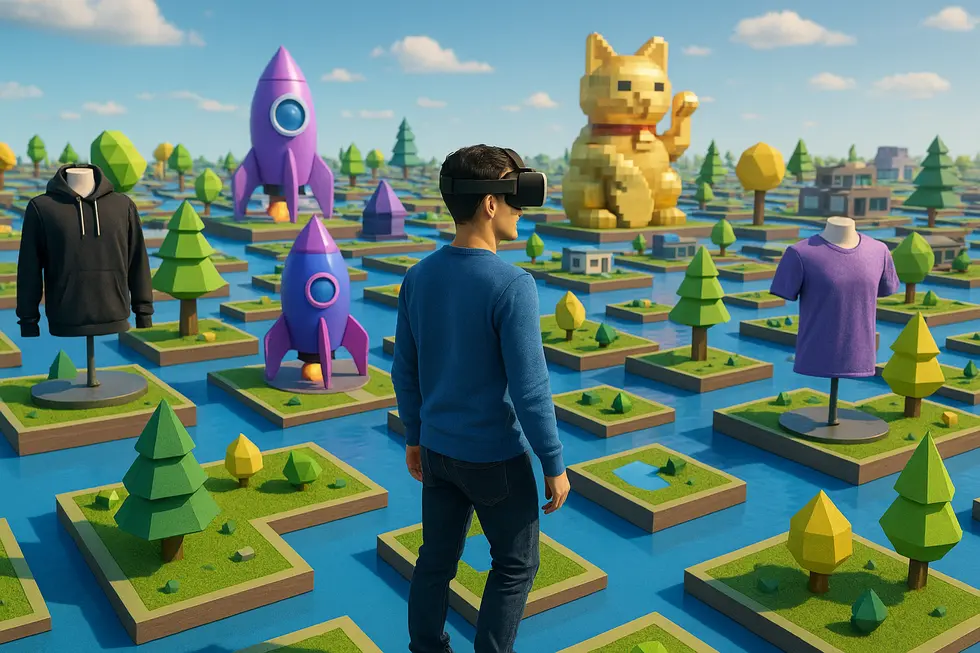
The metaverse is reshaping how NFT collectors interact with their digital assets, turning them into experiential elements within immersive environments. In the metaverse, NFTs transcend static ownership to become dynamic assets—displayed in virtual galleries or worn as digital fashion, and utilized in avatars or as access to exclusive events. NFT collectors derive added value from interoperability, as their assets can move across different virtual worlds, expanding utility beyond a simple collection. Enhanced by blockchain transparency, provenance and royalties remain crucial, with smart contracts ensuring authenticity and continuous creator revenues. Challenges persist, such as platform fragmentation and security threats, yet the potential utilities in virtual real estate, like hosting events or showcasing collections, add layers of value. As collectors become participants and curators, the emphasis shifts from mere possession to active engagement, cementing the metaverse’s role in advancing NFT collecting external resource.
Digital Ownership: The Quest for Scarcity and Transferability
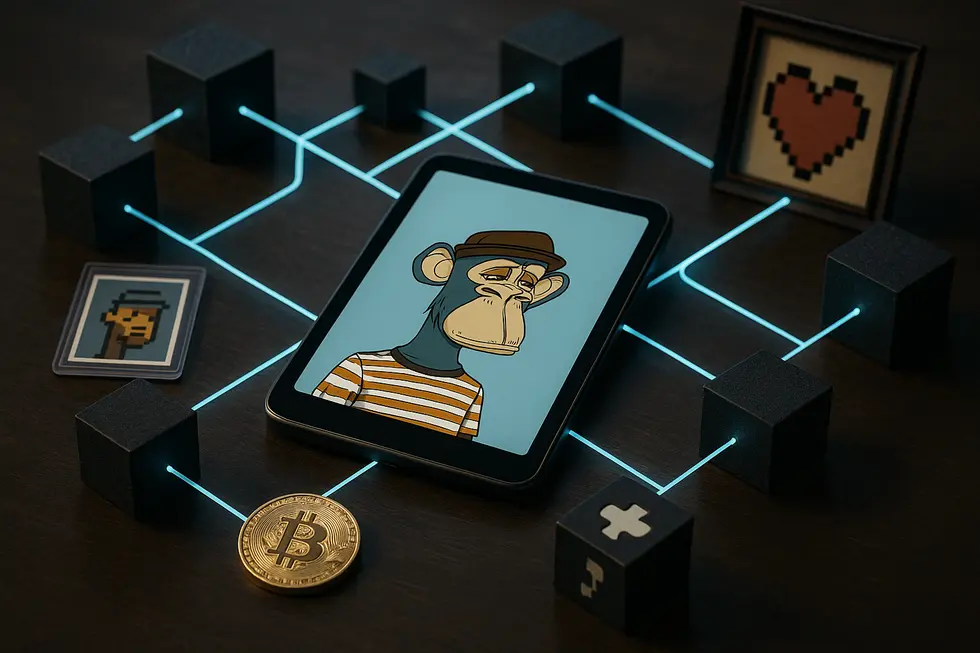
In the realm of NFTs (Non-Fungible Tokens), provable scarcity transforms digital assets into unique collectibles verified on blockchain ledgers. This technology ensures that the quantity and authenticity of NFTs are securely recorded, similar to a digital seal of originality. Unlike traditional digital goods, where copies abound, NFTs hold value through mathematical limits and verifiable ownership.
Facilitating this ownership is transferability. Smart contracts enable seamless trading of NFTs, automating transfers while maintaining asset integrity. For instance, music artists can release limited-edition tracks, ensuring authenticity and enabling royalty-traced exchanges, a distinct advantage over infinite-copy MP3s.
However, challenges persist. High transaction fees and regulatory concerns often obstruct adoption. The complexity of user onboarding, especially seen in blockchain gaming, adds additional layers of difficulty, affecting growth prospects [source].
Navigating the NFT Terrain: The Crucial Role of Hot Wallets
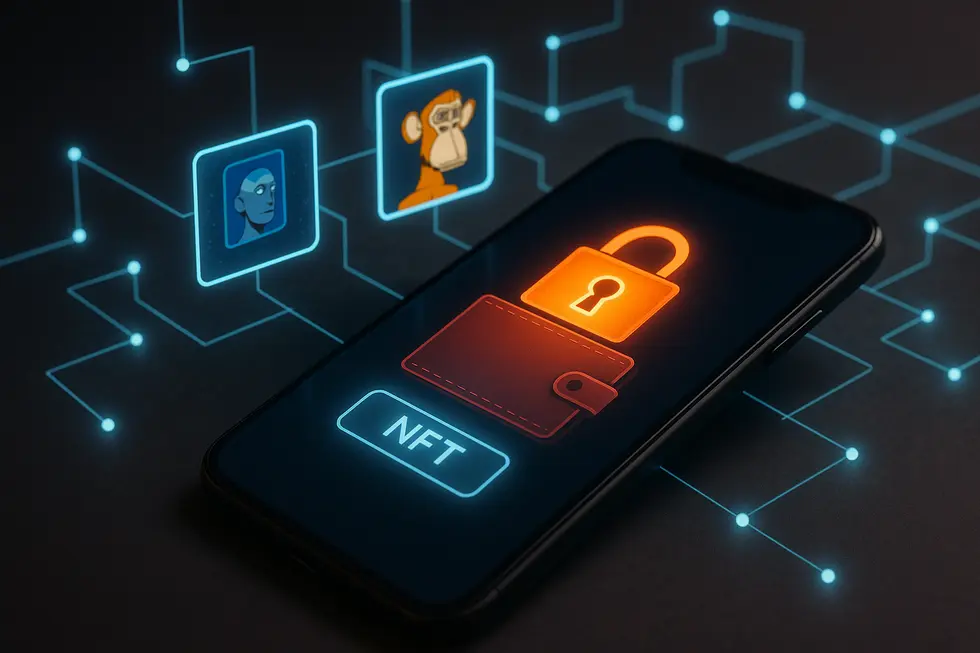
Hot wallets are essential tools in the NFT market. They provide the speed and connectivity needed for rapid transactions on platforms like Ethereum. Unlike cold wallets, which store keys offline, hot wallets—accessible through software apps or browser extensions—are always online. This accessibility makes them perfect for dynamic activities like buying, selling, or minting NFTs. The ability to sign and broadcast transactions instantly is invaluable in NFT trading, where timing is crucial. However, this convenience comes with risks; hot wallets are more vulnerable to hacks and phishing attacks. Users mitigate these risks by maintaining minimal balances in such wallets for transactions, moving significant assets to cold storage for security. Incorporating security practices like two-factor authentication can also bolster safety while engaging with the vibrant, fast-paced NFT landscape. For more on balancing convenience with security, you can explore more here.
Unlocking Security: Mempools and Multisig in NFT Holdings
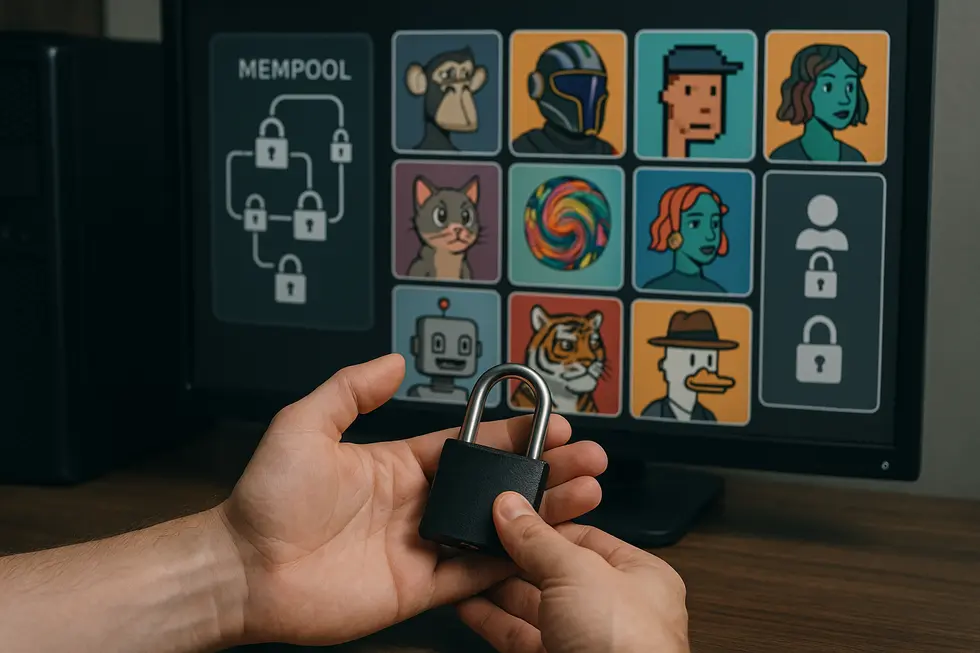
In the intriguing world of NFTs, security is paramount for collectors keen on safeguarding their digital treasures. Multisig wallets stand out as a robust solution, employing an M-of-N signature scheme to enhance protection against risks like hacks or fraud. By distributing keys across multiple holders or locations, platforms like Gnosis Safe offer a secure environment for NFTs, facilitating team management and safeguarding assets. Unlike typical single-key wallets, these setups eliminate vulnerabilities associated with single-point failures.
Equally critical is navigating mempools—the blockchain queues for unconfirmed transactions. For NFT trades, analyzing mempools helps users time their transactions, avoiding high fees or potential exploits. This approach, combined with multisig’s stringent approval process, forms a solid security framework, ensuring that collectors maintain control while optimizing trade efficiency and safety. Read more on Multisig Overview with Gnosis Safe.
As NFT collectors decode this elaborate lexicon, they enhance their understanding of digital ownership and the nuances of NFT marketplaces. By mastering terms like ERC-721, crypto wallets, and metaverse, collectors unlock the full potential of their digital assets. These insights are pivotal for navigating the ever-evolving world of NFTs, enabling a secure, informed, and engaged collecting experience.
About us
Monbase Global is a strategic partner of OpenLive Group, focused on expanding the reach and utility of blockchain and digital asset applications across international markets. As a core collaborator in the Monbase NFT ecosystem, Monbase Global plays a vital role in driving cross-border partnerships, investment strategies, and user adoption beyond Vietnam.
With a vision to build a decentralized digital economy rooted in trust and innovation, Monbase Global supports the international growth of NFTs, digital collectibles, and the use of the MBC token across various platforms. The partnership between Monbase Global and OpenLive Group brings together local insight and global ambition—creating real-world value for creators, collectors, and businesses alike.