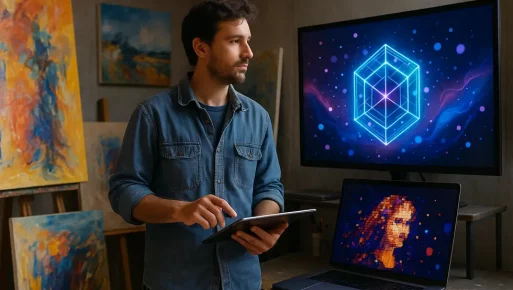
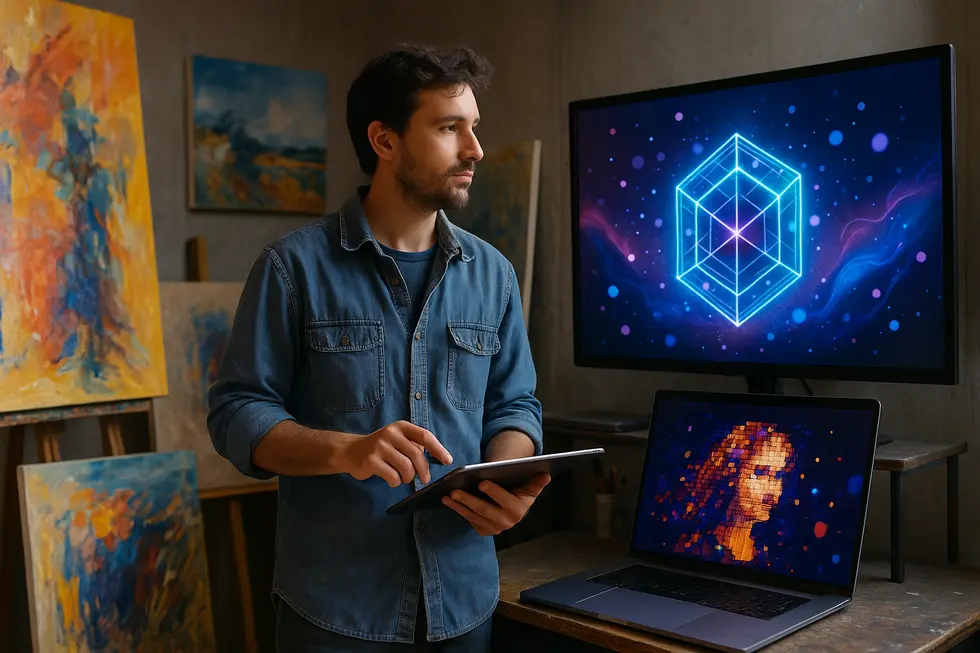
Art has long served as a powerful medium for expression, transcending time and culture. From the tactile strokes of a paintbrush on canvas to the ethereal presence of digital files on blockchain, art continues to evolve. This evolution marks a significant shift where NFT marketplaces and digital ownership redefine artistic creation and distribution. This journey from traditional canvases to blockchain technology not only changes how art is produced and consumed but also how artists maintain control over their work. Each chapter uncovers a distinct facet of this transformation, leading artists and creators towards a deeper understanding of their role in this digital frontier.
Art’s Metamorphosis: From Renaissance Canvas to Digital Blockchain
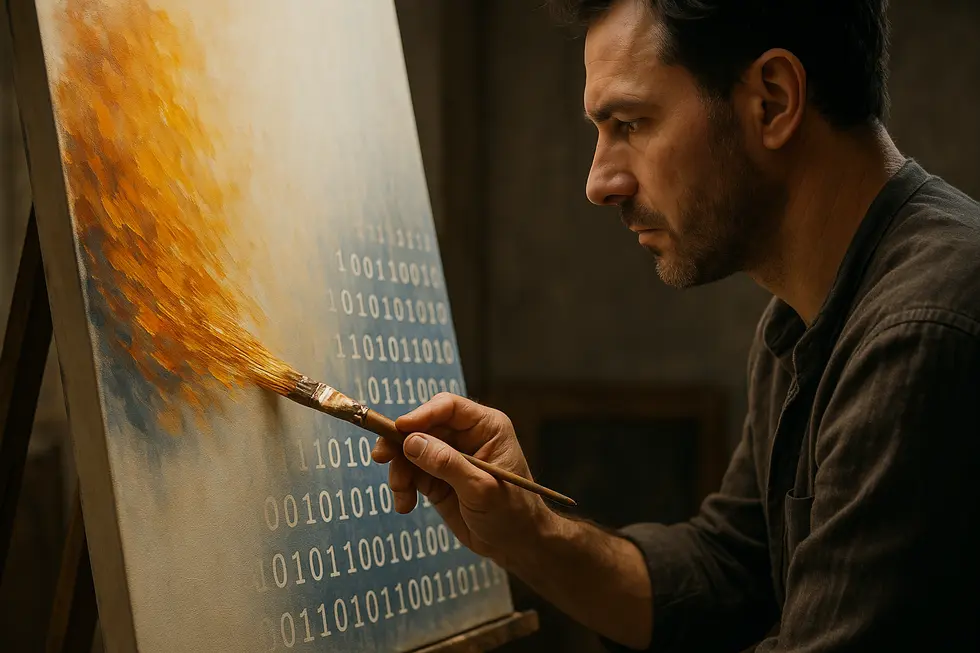
The transformation of art from traditional canvases to blockchain platforms signifies a revolutionary shift in artistic creation and ownership. Historically, art relied on physical materials like linen or cotton, offering durability but facing challenges such as forgery and unclear provenance. This began changing in the late 20th century with digital tools like Adobe Photoshop, laying the groundwork for today’s blockchain-integrated artistry.
Blockchain technology introduced around 2008 with Bitcoin and later Ethereum, reshaped art by enabling NFTs (Non-Fungible Tokens), which offer verifiable digital scarcity and authenticity. Artists now leverage platforms like OpenSea to tokenize their works, eliminating intermediary constraints and providing royalties on resales. This phase marks a seamless blend of creativity and technology, empowering artists with an unprecedented control and reach over their digital creations. For more insights, see the Christie’s overview of NFT history in art auctions.
Navigating the Digital Canvas: NFT Marketplaces in Art
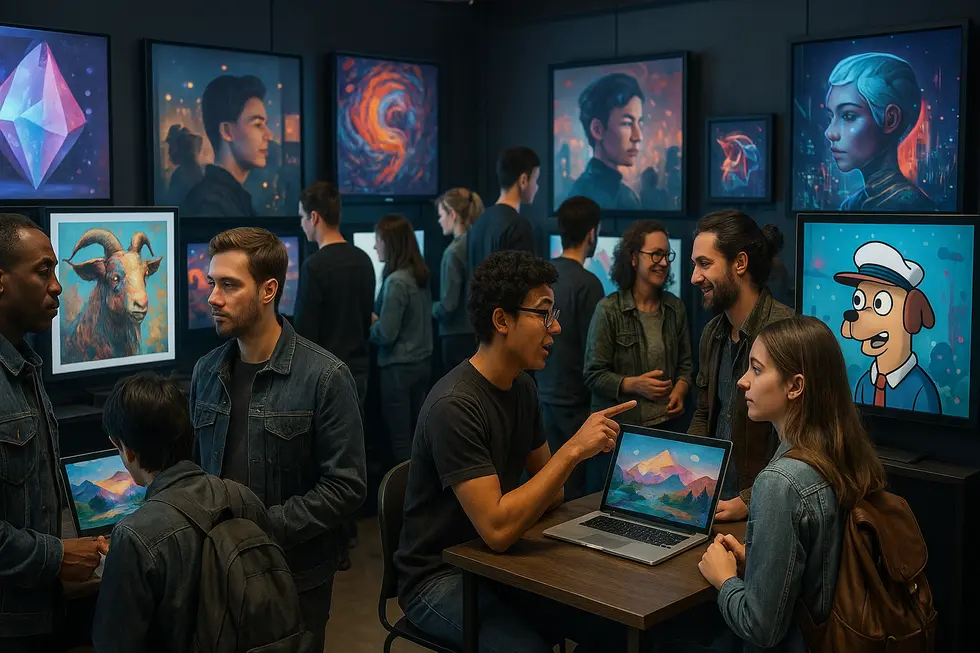
The rise of NFT marketplaces has reshaped how artists create and sell digital art. Acting as virtual galleries, these platforms allow artists to mint, sell, and auction NFTs—unique digital assets stored on blockchains like Ethereum—providing a new means of proving provenance and ownership. OpenSea, for example, enables artists to mint NFTs and conduct sales with minimal barriers, though platforms like SuperRare offer curated access to top-tier artists. NFT marketplaces use smart contracts that automate processes like transaction execution and royalty payments, ensuring artists receive their due across resale transactions.
In 2026, NFT marketplaces not only cater to art but also integrate cross-chain compatibility, enhancing user reach and reducing costs. New marketplaces emphasize low-cost entry points, making art accessible globally. These developments affirm the role of NFTs in transforming art into programmable, verifiable digital assets, merging traditional creativity with modern technology.
Reimagining Ownership: Blockchain’s Role in the Art World
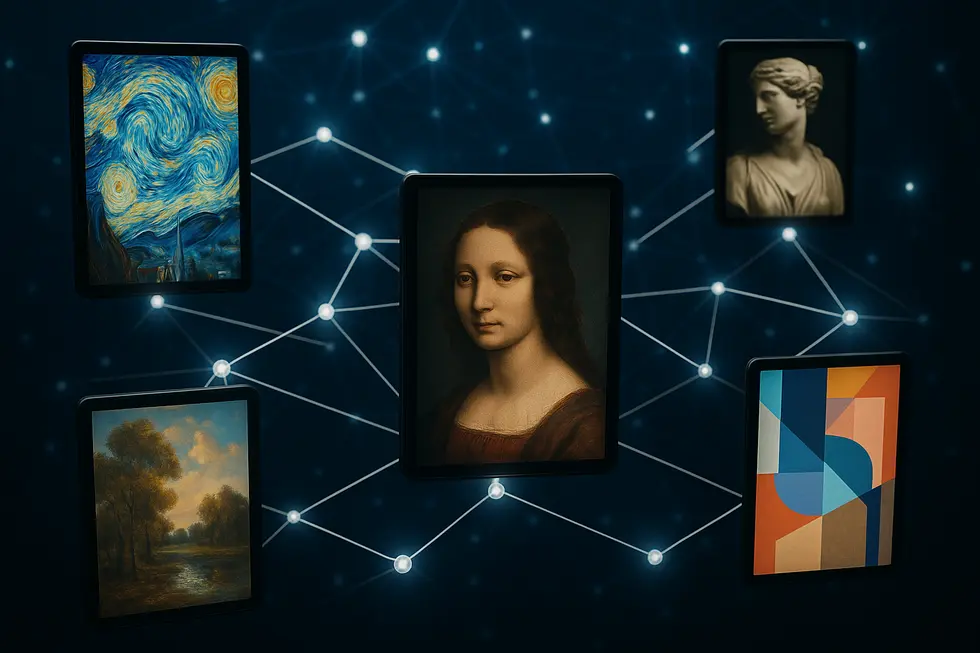
Blockchain technology has transformed the art industry by establishing a new paradigm for digital ownership. By offering a decentralized, immutable ledger, blockchain records ensure that ownership, provenance, and authenticity of digital artworks are verifiable and tamper-proof. Unlike traditional art reliant on central authorities, blockchain’s decentralized approach employs cryptographic hashes and distributed consensus. This model supports the minting of NFTs (Non-Fungible Tokens) on platforms like Ethereum, embedding art metadata directly into unique tokens.
Ownership transitions through smart contracts, facilitating automatic execution of sales and royalties without intermediaries. Artists benefit from perpetual passive income, often around 5-10% per transaction. Technologies like ERC-721 or ERC-1155 token standards on Ethereum bolster uniqueness and scarcity in the digital art realm. Each NFT boasts its identifier, with metadata stored on the InterPlanetary File System for decentralized longevity. The rise of NFT marketplaces like OpenSea has changed how art is traded, providing artists with enduring provenance.
Catalysts of Digital Art: Exploring Key NFT Marketplaces
In the digital art realm, OpenSea, SuperRare, KnownOrigin, and Nifty Gateway have emerged as pivotal platforms, each with unique offerings transforming how art is perceived and traded. OpenSea, as a leader, thrives on its user-friendly interface and diversity, facilitating over 80 million NFTs across 20+ blockchains, ideal for novices exploring digital ownership.[1]
In contrast, SuperRare and KnownOrigin curate high-quality digital art, serving as exclusive galleries. SuperRare only accepts 1% of applicants, ensuring high-art credibility with its $RARE token fostering community engagement.[2] KnownOrigin, one of the Ethereum pioneers, emphasizes scarcity and high-value pieces with rigorous curation standards.
Nifty Gateway complements these by spotlighting premium, high-profile art drops, often participating in collaborations, thus enhancing its stature in the crypto art world. Despite challenges like Ethereum’s high gas fees, these platforms blend accessibility and exclusivity, spearheading the NFT revolution.[3]
Digital Ownership: Overcoming the Boundaries of Traditional Art
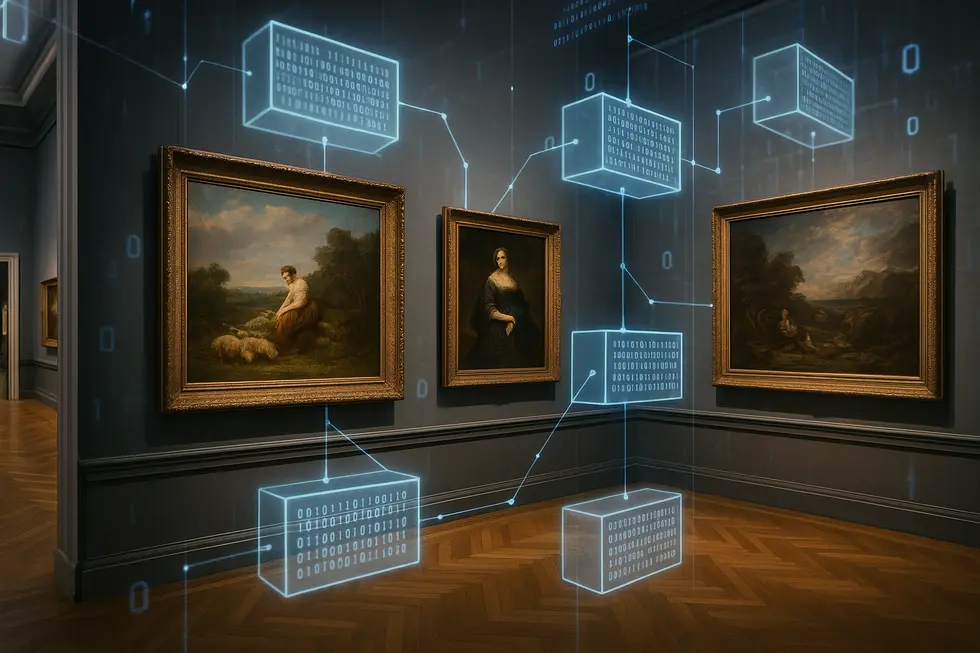
The advent of digital ownership technologies such as NFTs and blockchain systems represents a significant breakthrough in overcoming traditional art limitations. In the physical realm, art is confined by location, rendering access difficult and regional. With virtual exhibitions and digital platforms, art becomes globally accessible, transcending geographical barriers and engaging a wider audience. Counterfeiting, a long-standing issue in the art world, is mitigated by blockchain technology that offers immutable records of authenticity and provenance. This ensures art collectors possess verifiable pieces, enhancing trust and value in the art market. Additionally, NFTs allow for dynamic interactions through programmable royalties, enabling artists to retain income from secondary sales, and creating interactivity for owners. As the digital and physical art worlds increasingly intersect, this integration ensures art remains both globally accessible and secured by modern technological frameworks. Learn more about AI-generated art galleries.
NFTs: Transforming Art Markets and Shaping Future Trends
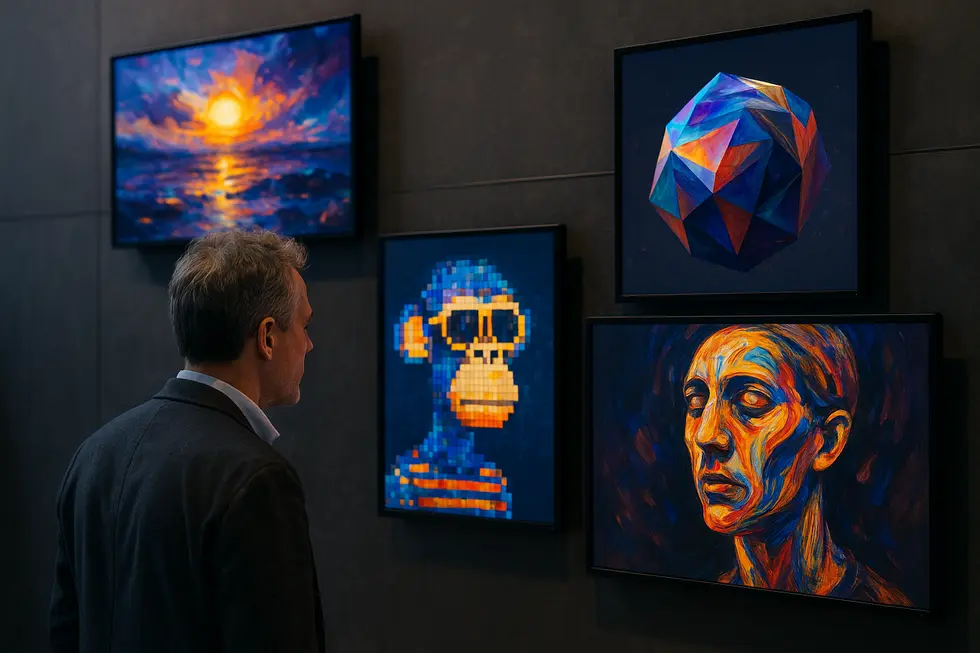
Non-Fungible Tokens (NFTs) have reshaped the art industry by leveraging blockchain technology for unique digital asset ownership. This shift, which gained traction from 2020 to 2021, democratized art sales, enabling artists to bypass traditional avenues like galleries. A notable milestone was Beeple’s $69.3 million sale at Christie’s, shifting perceptions and attracting institutional interest source. Despite initial boom cycles, challenges like market volatility, environmental concerns, and inequality have emerged, particularly during the 2022 downturn. Yet by 2026, the landscape stabilized with a market rejuvenation, powered by innovations in scaling and sustainability. Emerging trends include the integration with Web3, where NFTs fuel virtual galleries and enhanced experiences, while regulatory frameworks promise increased stability. Understanding these dynamics prepares artists and collectors to navigate this ever-evolving digital art frontier.
Art’s evolution from traditional canvas to blockchain-based digital formats signifies more than just a shift in medium; it redefines the essence of creation, ownership, and distribution. As NFT marketplaces eliminate the barriers posed by traditional art forums, artists gain unprecedented control over their work, ensuring authenticity and rewarding originality. This progression marks an exciting era where creators can express their vision freely and collectors are afforded transparent authenticity. By embracing these innovations, the art world stands on the cusp of endless possibilities, fostering a community where creativity is limitless.
Join the Monbase NFT community and stay ahead of the Web3 curve. Follow us on Telegram, Twitter, or Discord for drops and updates!
About us
Monbase Global is a strategic partner of OpenLive Group, focused on expanding the reach and utility of blockchain and digital asset applications across international markets. As a core collaborator in the Monbase NFT ecosystem, Monbase Global plays a vital role in driving cross-border partnerships, investment strategies, and user adoption beyond Vietnam. With a vision to build a decentralized digital economy rooted in trust and innovation, Monbase Global supports the international growth of NFTs, digital collectibles, and the use of the MBC token across various platforms. The partnership between Monbase Global and OpenLive Group brings together local insight and global ambition—creating real-world value for creators, collectors, and businesses alike.