NFTs are transforming how we understand ownership in the digital age. As unique digital assets stored on a blockchain, they provide immutable proof of ownership for both digital and physical items. This guide aims to demystify NFTs for complete beginners by introducing NFT marketplaces, exploring the mechanics of blockchain, discussing the authenticity and scarcity of digital ownership, and highlighting their economic impact and beyond-the-collectibles applications.
Navigating NFT Marketplaces: Gateways to Digital Ownership
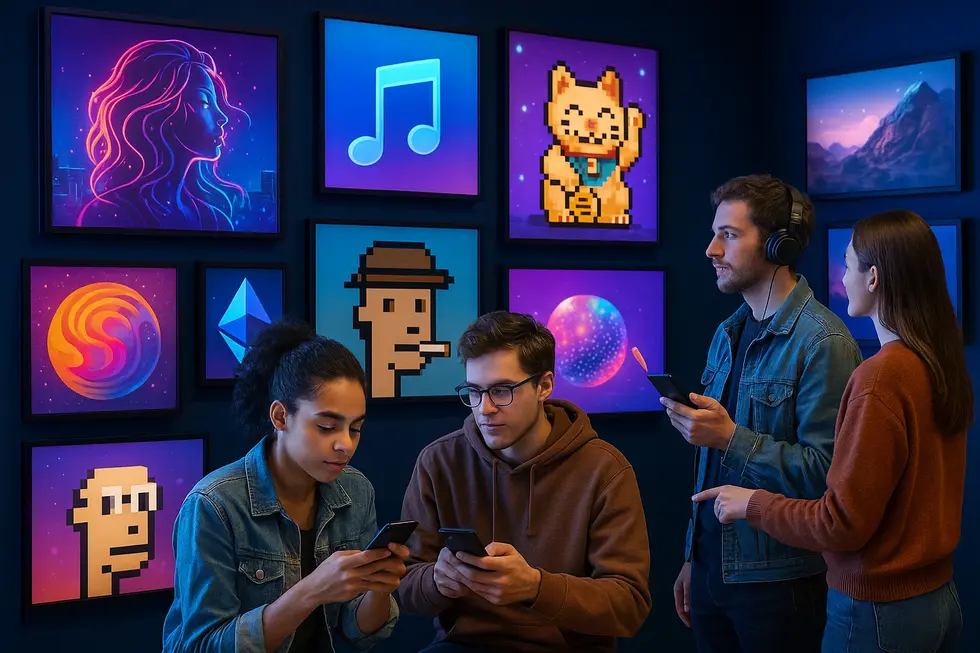
NFT marketplaces serve as pivotal platforms in the digital ownership landscape, enabling individuals to create, buy, and sell non-fungible tokens (NFTs). These tokens symbolize ownership of unique digital or physical assets, ranging from art to music, and much more. By utilizing blockchain technology and smart contracts, these marketplaces guarantee authenticity and traceability, distinguishing NFTs from traditional cryptocurrencies.
Such platforms facilitate a bustling digital economy where transactions are secure and transparent, supporting features like auctions and secondary sales. This functionality ensures a dynamic trading environment, fostering innovation and liquidity. However, marketplace users should be mindful of challenges like price volatility and blockchain’s environmental impact. Learn more about NFT marketplaces and their impact on digital society.
Overall, NFT marketplaces are gateways to verified digital ownership, granting creators and collectors newfound possibilities in the sphere of digital commerce.
Unlocking NFT Utility: How Blockchain Provides a Secure Foundation
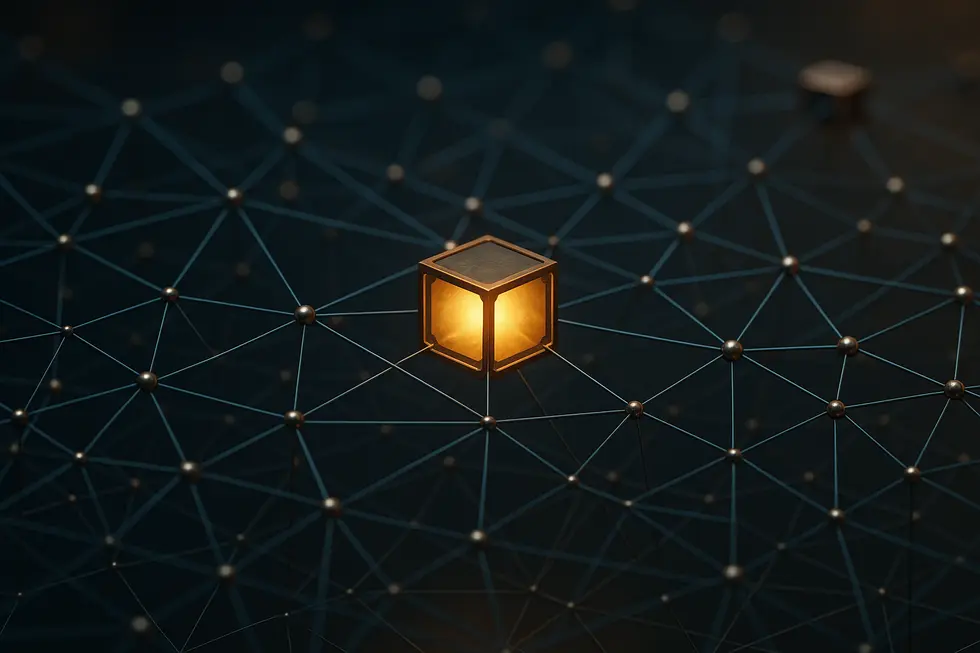
Blockchain technology is the backbone of NFT utility, offering newcomers a gateway into the secure and transparent world of digital ownership. By acting as an immutable digital ledger, blockchain verifies the ownership, provenance, and authenticity of NFTs. This setup ensures each digital asset is unique and traceable, building trust among users.
Smart contracts on the blockchain further enhance NFT utility by automating complex tasks like royalty distribution or access rights, ensuring that artists receive payments from secondary sales seamlessly. Decentralized marketplaces, powered by blockchain, facilitate peer-to-peer NFT transactions without intermediaries, making entry easy for beginners. These platforms provide transaction safety and transparency, essential for gaining confidence in digital assets.
For a deeper dive, visit digital ownership and scarcity on NFT marketplaces. This linkage between blockchain and NFTs promises a reliable digital experience, both secure and expansive.
Unveiling NFT Magic: Certifying Digital Authenticity and Scarcity
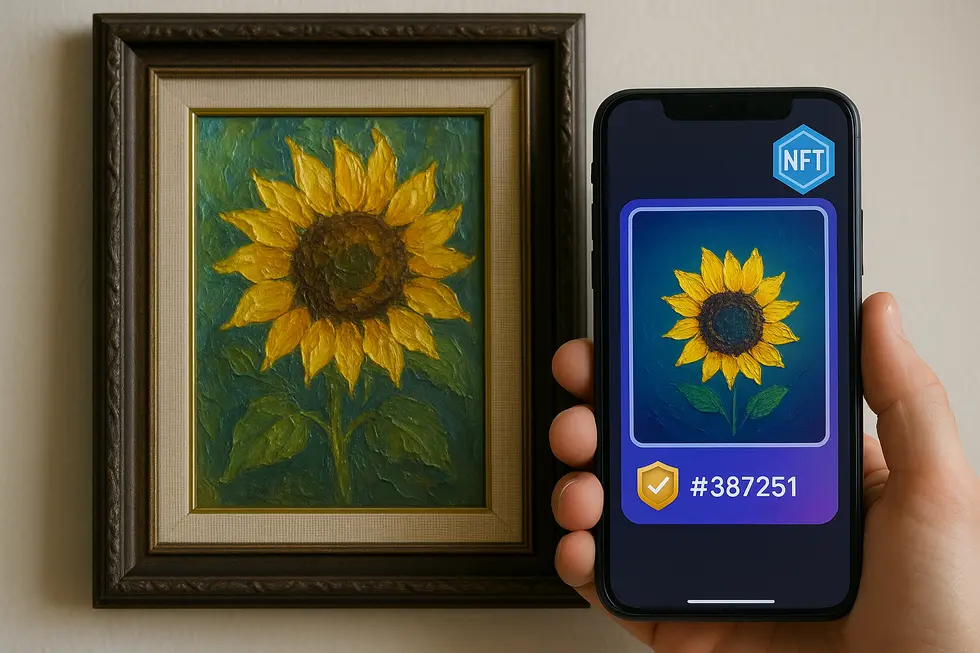
NFTs revolutionize digital ownership by embedding uniqueness and authenticity into assets through blockchain technology. Each NFT is a distinct entity, indelibly recorded on a blockchain, which ensures both its scarcity and authenticity. This technological backbone fortifies NFTs against duplication or substitution, safeguarding their value. Blockchain operates as a transparent ledger, chronicling the provenance and transactional history of NFTs, making authenticity clear to any stakeholder.
Ownership of an NFT confers a token symbolizing control over a digital asset, whether art, music, or collectibles. However, rights are limited; purchasing an NFT doesn’t necessarily include intellectual property rights unless specified. Blockchain’s immutability further reinforces the security and trust in these transactions. This evolving digital ecosystem elevates how we perceive value, authenticity, and ownership in a digital realm that continuously expands how NFTs help prevent counterfeiting.
NFT Marketplaces: Catalysts of Economic Transformation in Digital Commerce

NFT marketplaces have rapidly become pivotal in transforming digital commerce by enabling new monetization avenues and enhancing digital ownership models. They bypass traditional intermediaries, granting creators direct access to collectors, thereby optimizing profit margins. With smart contracts, automated royalties ensure ongoing creator revenues from secondary sales, promoting sustainability.
Economic implications are notable, particularly in the gaming industry, anticipated to reach $1 trillion by 2030, highlighting NFTs’ growing role. Platforms foster value by guaranteeing digital scarcity and ownership, expanding NFT utility from collectibles to real-world asset tokenization. This adaptability supports NFTs’ integration into metaverse economies, revolutionizing fan engagement models and social media monetization avenues.
Despite challenges like volatility and regulatory hurdles, the market’s predicted expansion, from $7.6 billion in 2030 to $30 billion by 2035, underscores NFTs’ potential as a dynamic force reshaping commerce and ownership paradigms. For further insights into NFT marketplaces, explore the comprehensive view on digital commerce.
Unraveling NFT Utility: Real-World Impact and Applications
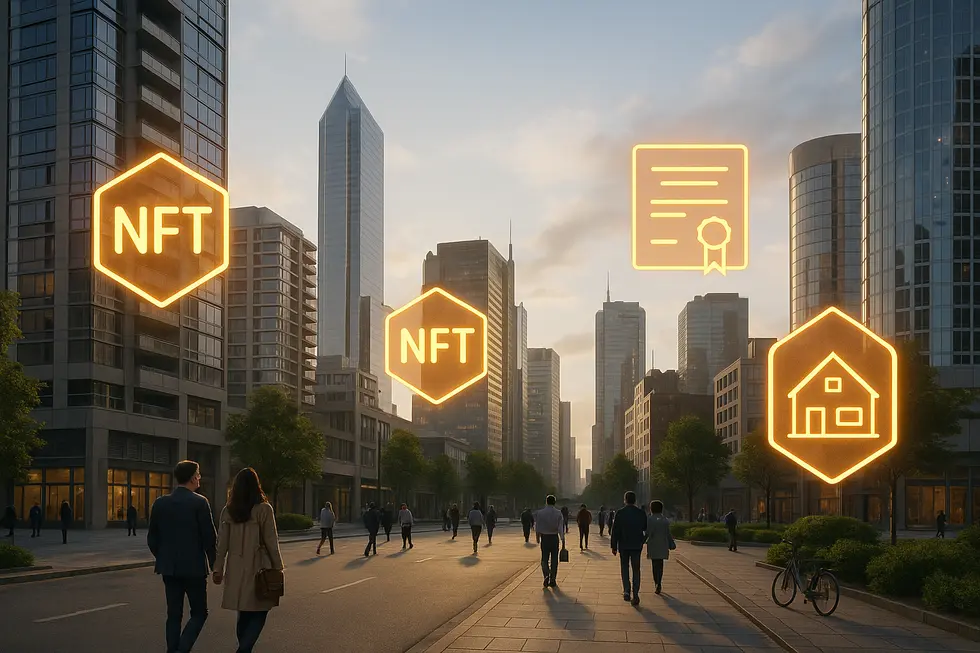
NFTs have evolved far beyond digital collectibles, showcasing real-world utility across diverse sectors. Virtual real estate is booming, with platforms like Decentraland offering ownership of digital lands. This sector alone is projected to grow to over $21 billion by 2035, thanks to metaverse adoption. In supply chain management, NFTs enhance transparency by securely storing product metadata, enabling trust in logistics, as seen with solutions like Koinearth’s enterprise NFTs. The gaming industry has also embraced NFTs, allowing players to own and trade in-game items across various titles, bolstering engagement through play-to-earn models read more about play-to-earn games. Furthermore, NFTs facilitate fractional ownership of physical assets, democratizing investment in luxury goods and real estate. These developments illustrate NFTs’ transition into functional assets with substantial economic impact.
Understanding NFT utility is pivotal for anyone engaging in the digital economy. These unique digital assets redefine ownership, offering unparalleled security and authenticity. By exploring how blockchain supports NFTs, recognizing their economic potential, and seeing their applications beyond art, you are equipped with knowledge to navigate the exciting future landscape that NFTs open up.